Designers, crafters, and small brands keep hitting the same wall: they need unique textiles—but bulk minimums, cookie-cutter patterns, and sky-high setup fees kill their vision before it even hits the loom. You’re stuck choosing between bland stock prints or blowing your entire budget on 50 yards you’ll never use. And here’s the kicker—most “custom” services aren’t truly custom at all. They’re just resellers with markup. The real solution? True custom fabric printing by the yard that respects your creativity, timeline, and margins.
Why Most “Custom” Fabric Print Shops Fail Real Creators
They sell “custom.” But their backend runs like an assembly line from 1998. Want to adjust your repeat size? Pay $75 for “artwork review.” Need under 10 yards? Sorry, not allowed. Or worse—they digitally print on cheap polyesters that fade after two washes. These vendors prioritize volume, not vision.
And it shows in the final product: colors shift, registration bleeds, and the hand-feel turns stiff. If you’re building a brand—or even just a one-of-a-kind quilt—you can’t afford these compromises.
How to Order Custom Fabric Printing by the Yard (Without Getting Ripped Off)
The difference between amateur results and pro-grade output isn’t luck. It’s process. Follow these steps—and watch your textile dreams land exactly as imagined.
Choose Your Base Fabric Like a Pro
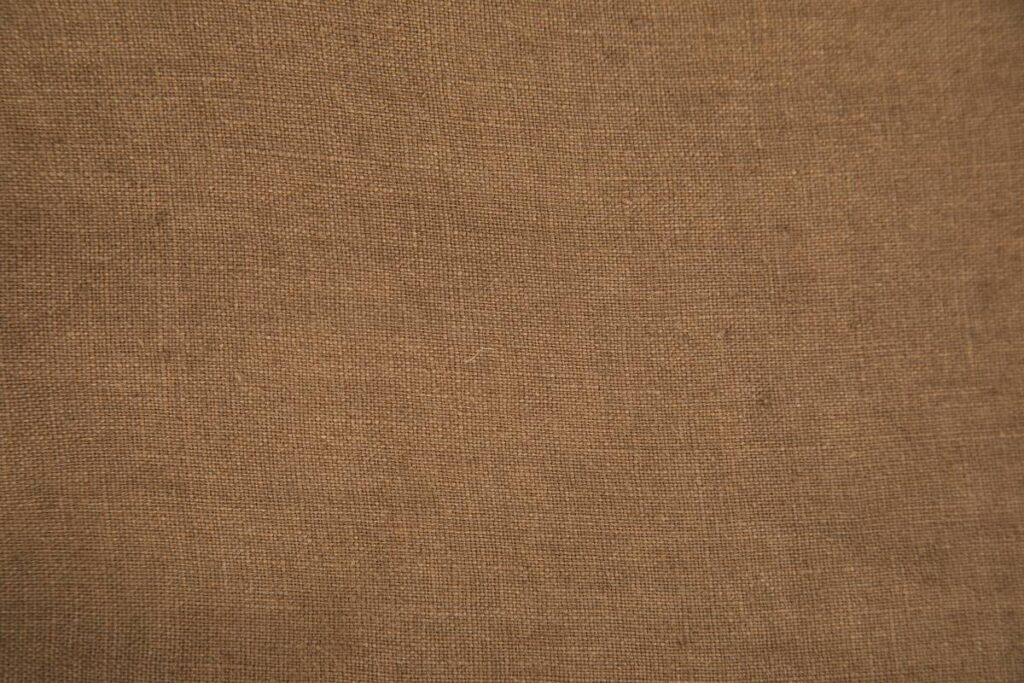
Cotton sateen? Linen blend? Recycled polyester? Each substrate reacts differently to ink. Natural fibers absorb dye beautifully but may shrink. Synthetics offer vibrancy and durability but demand precise heat-setting. Don’t let the printer decide for you—specify your ideal base and test first.
Master Your File Setup (This Is Where 90% Fail)
Your design file must be print-ready: 150–300 DPI at actual scale, with bleed (usually 1–2 inches), and in CMYK or Pantone—not RGB. Seamless repeats need exact tile dimensions. Mess this up, and your elegant vine motif becomes a jarring zigzag. Many printers skip this guidance. Demand it.
Compare Production Methods—Not Just Prices
Two vendors might quote $22/yard. But one uses reactive dye (eco-friendly, soft hand) while the other sprays cheap pigment ink that cracks. Always ask: What chemistry? What printer model? What’s your wash-test protocol?
| Method | Min. Yards | Avg. Cost/Yard | Eco-Impact | Ideal For |
|---|---|---|---|---|
| Reactive Dye Printing | 1 | $18–$32 | Low (water-based, biodegradable) | Natural fabrics, luxury apparel, heirloom quilts |
| Pigment Printing | 3 | $12–$24 | Moderate (binders may contain plastics) | Prototypes, home decor, short-run samples |
| Sublimation | 5 | $15–$28 | Medium (requires polyester) | Activewear, flags, performance textiles |
The Industry Secret No One Talks About: The 1-Yard Power Play
Here’s what veteran textile designers know but rarely share: ordering just one yard of custom fabric printing by the yard isn’t just for testing—it’s a strategic weapon.
Use that single yard to shoot product photos, pitch to retailers, or run limited-edition drops. You avoid overproduction risk while maintaining exclusivity. Some of my clients have launched six-figure collections starting with exactly 1.2 yards of printed silk. The math is simple: low inventory + high perceived value = margin protection. And if sales spike? Reorder fast—modern digital printers turn jobs around in 5–7 days.
Frequently Asked Questions
Can I really order just one yard of custom fabric?
Yes—if you choose a true digital printer (not a screen-print house). Many modern vendors, including niche players in the US and EU, offer 1-yard minimums with no setup fees.
What file format do I need for custom fabric printing by the yard?
TIFF or PNG at 150–300 DPI, CMYK color mode, with 1–2 inch bleed. Vector files (AI/EPS) are accepted for spot-color work but must be rasterized for photo-realistic designs.
Will my print look exactly like my screen?
Not always. Calibrate your monitor, request a physical proof, and understand that fabric texture affects ink absorption. A cotton canvas will mute colors slightly vs. a smooth poplin.