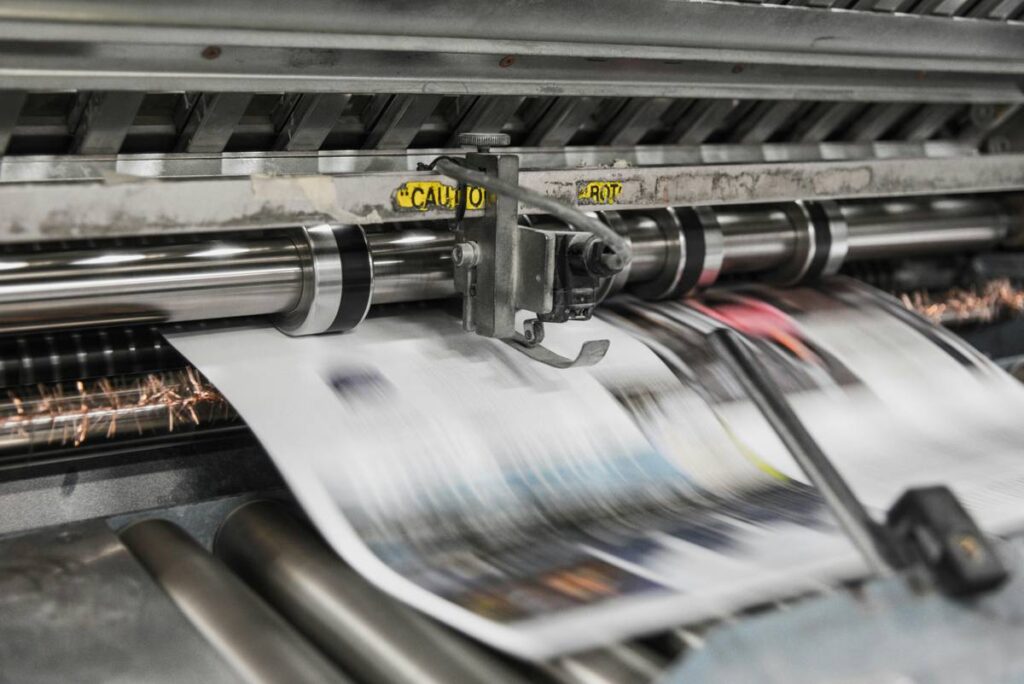
Most textile designers still treat digital fabric printing like it’s just a prettier version of screen printing. It’s not. And that mindset is costing them speed, margin, and creative freedom. The real power of textile design digital fabric printing on demand lies in treating the printer as a collaborator—not a factory.
Why Traditional Workflow Kills Digital Potential
Legacy textile studios force digital output into analog templates: fixed repeat patterns, rigid color palettes, batch minimums. This isn’t efficiency—it’s creative sabotage. Digital fabric printing thrives on variability. Yet most brands choke their designs with constraints born from rotary screens.
And here’s the kicker: your client doesn’t want another floral repeat. They want a story printed on silk that no one else owns. But if you’re still designing for bulk runs? You’ve already lost.
textile design digital fabric printing on Demand: A Designer’s Tactical Playbook
Select Your Fabric Like a Strategist—Not a Supplier
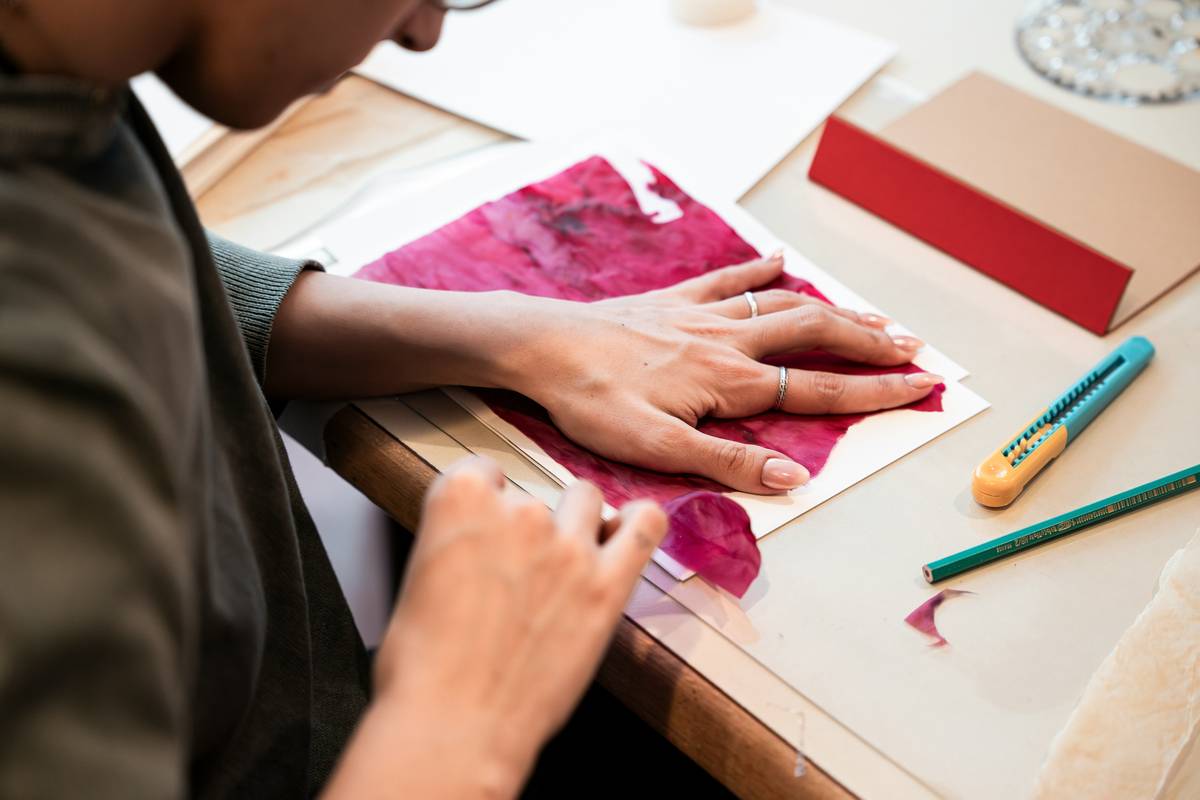
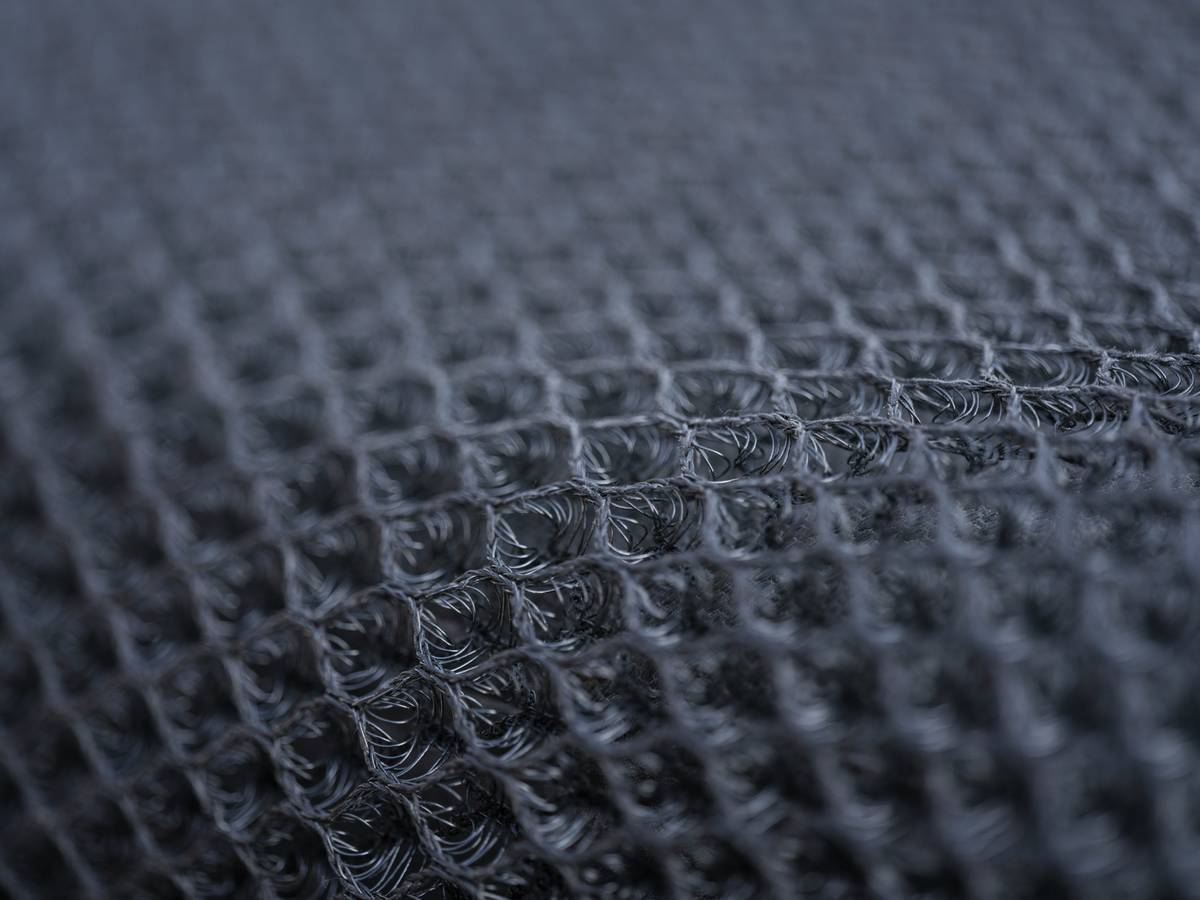
Natural fibers (cotton, silk) absorb ink differently than synthetics (polyester, nylon). Pre-treatment isn’t optional—it’s your first design layer. Skip it, and your navy bleeds into beige. Test swatches aren’t overhead; they’re insurance.
File Setup: Where 90% of Projects Derail
RGB files handed to a CMYK-reliant service provider? Disaster. Always confirm the RIP software your print partner uses. Some require specific tiling formats—others demand bleed-free edges. Ask early. Fix late = budget blown.
Pricing Models That Actually Scale
Ditch per-yard thinking. Bundle design + print + fulfillment into tiered customer experiences. One-off scarves at $45? Or 50-meter runs at $8/meter? Both can coexist—if your workflow supports micro-batching.
| Printing Method | Min. Order | Color Fidelity | Lead Time | Ideal For |
|---|---|---|---|---|
| Dye-Sublimation (Polyester) | 1 meter | Excellent (vibrant, permanent) | 3–5 days | Activewear, flags, soft furnishings |
| Reactive Ink (Cotton/Silk) | 3 meters | Good (soft hand feel) | 7–10 days | Luxury apparel, scarves, art textiles |
| Pigment Printing (Mixed Fibers) | 1 meter | Fair (surface-only adhesion) | 2–4 days | Prototypes, home decor samples |
The Industry Secret: Print to Sell, Not to Stock
Top-performing indie textile brands never print inventory. They use mockups powered by real print profiles—then only produce after purchase. One designer I advised shifted from $12k/month in dead stock to 92% sell-through in three months. How? She embedded live printing APIs into her Shopify store. Customers customize scale, color, even layout—then hit “Print.” No guesswork. No waste. Just pure margin.
Think about it: in fashion, scarcity drives desire. In digital textile printing, scarcity is your default setting—and your biggest advantage.
FAQ
What file format is best for textile design digital fabric printing on demand?
Use TIFF or PNG at 150–300 DPI in RGB. Avoid JPEG compression—it introduces artifacts that bleed during printing.
Can I print photorealistic images on fabric digitally?
Yes—but only on polyester via dye-sublimation. Natural fibers diffuse ink, softening details. Manage client expectations early.
How eco-friendly is digital fabric printing?
Far greener than rotary screen printing: 95% less water, near-zero dye waste. But ink chemistry matters—ask for OEKO-TEX certified inks.