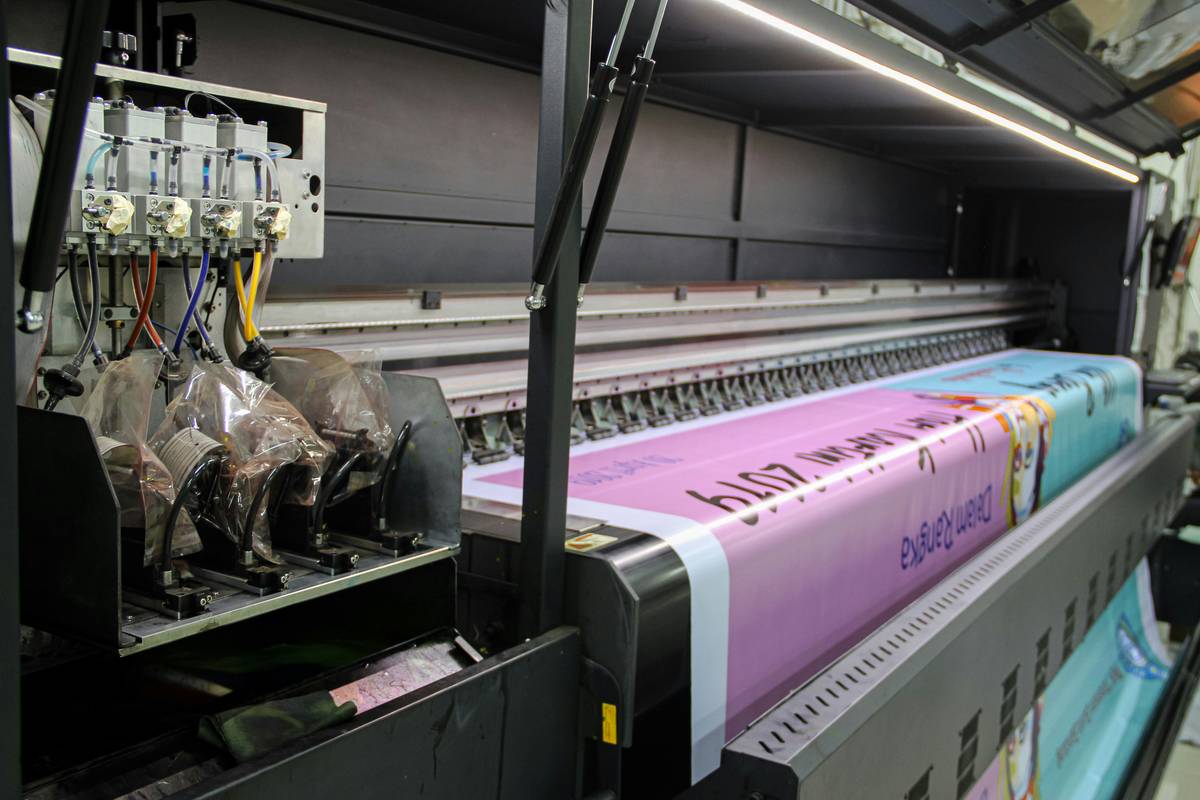
You invested in a digital printer for fabric—dreaming of custom scarves, limited-run apparel, or one-of-a-kind home textiles. But your prints bleed. Colors look dull under daylight. And worst of all? Your profit margins vanished after the third test run. The promise of on-demand creativity crashed into the reality of technical debt and hidden costs. Here’s how to fix it—fast.
The Core Problem: Why Standard Methods Fail
Most tutorials treat fabric printing like paper printing with extra steps. That’s dead wrong. Fabrics breathe, stretch, absorb—and react unpredictably to ink chemistry. Use the same workflow as your office inkjet, and you’ll drown in rejected batches.
Cotton isn’t polyester. Silk hates water-based pigment. And “print-ready” files from Canva? Often doomed before they leave your screen. The real bottleneck isn’t your digital printer for fabric—it’s the gap between design intent and textile physics.
Your Step-by-Step Guide to High-Integrity Fabric Printing
Pre-Treatment: Not Optional—It’s Your Insurance Policy
Skipping pre-treatment saves $0.12 per yard—and costs you 30% in color vibrancy and wash fastness. Always match pre-treatment chemistry to your fabric type. Reactive inks on cotton? Acid inks on nylon? Get this wrong once, and your batch fades after two washes.
Color Profiling: Ditch RGB. Go CMYK + Spot Channels
Your monitor lies. Especially about reds and oranges on natural fibers. Build custom ICC profiles using physical print tests—not software guesses. And when you need metallic gold or neon green? Layer spot channels manually. Yes, it’s tedious. But clients pay premiums for what screens can’t replicate.
Post-Curing: Time vs. Temperature Tradeoffs
Oven-cure at 180°C for 90 seconds? Or steamer at 102°C for 30 minutes? Each method shifts dye penetration depth. High-temp flash curing gives sharp edges but risks fiber scorching on delicate blends. Low-temp steaming preserves hand feel—but demands humidity control most home studios lack.
| Method | Upfront Cost | Cost Per Yard (Cotton) | Wash Fastness (AATCC Scale) | Best For |
|---|---|---|---|---|
| Inkjet + Pigment (No Pre-Treat) | $1,200 | $2.80 | 2-3 | Prototypes only |
| Inkjet + Reactive + Steaming | $4,500+ | $4.10 | 4-5 | Commercial apparel runs |
| Sublimation (Polyester Only) | $2,800 | $1.90 | 5 | Sportswear, flags, banners |
| Direct-to-Textile (Acid Ink + Oven) | $6,200 | $5.30 | 4 | Silk scarves, luxury goods |
The Industry Secret: Batch Size Lies—Optimize for “Minimum Viable Run”
Big players push “economies of scale.” Ignore them. The real profit in digital fabric printing hides in runs of 3–12 yards. Why? Because fashion micro-brands, theater costume shops, and high-end interior designers need speed—not bulk. They’ll pay 3x per yard to avoid 8-week overseas lead times. Build your pricing around urgency, not volume. One designer client I advised switched from 100-yard wholesale orders to 7-yard bespoke drops—and doubled net revenue in six months. The math is simple: time beats tonnage.
Frequently Asked Questions
Can I use a regular inkjet printer for fabric?
No. Consumer inkjets lack the printhead precision and ink chemistry for textile adhesion. You’ll get smudging and poor wash resistance—even with treated paper transfers.
What fabric works best with digital printers?
Polyester dominates for sublimation. But for reactive inks, mercerized cotton gives the brightest results. Avoid loosely woven linens—they cause ink bleeding and registration errors.
How long do digital fabric prints last?
With proper pre-treatment and curing, expect 20+ washes without significant fading on cotton. Polyester sublimation prints are nearly permanent—they’re dyed into the fiber, not sitting on top.