You invested in a direct to garment digital printer. You expected vibrant, scalable custom apparel. Instead—faded washes, clogged nozzles, and margins thinner than tracing paper. Sound familiar? The problem isn’t your machine. It’s your strategy.
The Core Problem: Why Standard DTG Printing Fails Most Businesses
Most shops treat DTG like plug-and-play magic. Load a shirt, hit print, profit. Nope. DTG demands precision chemistry, fabric awareness, and workflow discipline. Cotton content below 90%? Expect ghosting. Skipping pre-treatment? Say goodbye to color saturation. And humidity? It silently murders ink adhesion—especially in summer.
Here’s the reality: a direct to garment digital printer isn’t a copier for T-shirts. It’s a high-maintenance hybrid of textile science and digital engineering. Ignore that, and you’re just burning ink—and cash.
Your Step-by-Step DTG Success Blueprint
Fabric First: Not All Cotton Is Created Equal
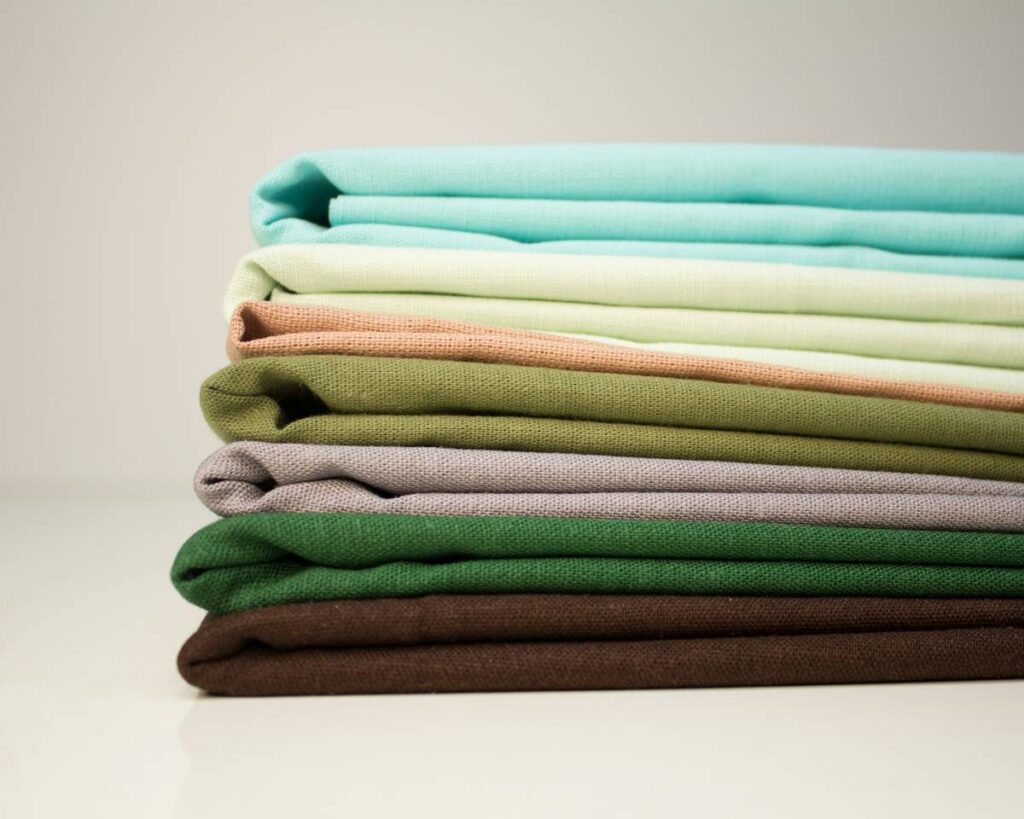
100% combed ring-spun cotton isn’t a luxury—it’s non-negotiable for premium results. Blends? Only if you’ve tested them rigorously with your specific ink formula. Polyester fibers repel water-based DTG inks. That “soft feel” hoodie? Might look great—until the first wash strips half your design.
Pre-Treatment: The Invisible Make-or-Break Step
Skipping pre-treatment saves 30 seconds per shirt. It costs you 30% in customer returns. Use manufacturer-recommended pre-treatment fluid. Apply evenly. Cure at exact temps—usually 330°F for 45 seconds. Under-cured? Ink bleeds. Over-cured? Fabric stiffens. Goldilocks zone only.
Curing: Where Amateurs Lose Profit Margins
DTG prints aren’t dry when they exit the printer. They’re wet ink on fiber. If you skip or shortcut curing, colors fade fast. Use a conveyor dryer—not a heat press—for consistent, even heat. Target 320–340°F for 60–90 seconds. Yes, it slows throughput. But reprints cost more.

| Printing Method | Best For | Startup Cost | Per-Unit Cost (1-off) | Color Limitations |
|---|---|---|---|---|
| Direct to Garment Digital Printer | Photorealistic designs, small batches, on-demand | $15,000–$50,000 | $4–$8 | None (full CMYK + white) |
| Screen Printing | Bulk orders, solid colors | $2,000–$10,000 | $1–$2 (at 100+ units) | Limited by screens (typically ≤6 colors) |
| Heat Transfer Vinyl (HTV) | Names, numbers, simple graphics | $500–$2,000 | $2–$5 | One color per layer; no gradients |
Maintenance: The Daily Non-Negotiable
Nozzle checks every morning. Deep cleans weekly. Humidity control in your print room—aim for 45–55% RH. A single dried pigment particle can clog a $2,000 printhead. And yes, that means running cleaning cycles even on slow days. Painful? Sure. Cheaper than replacement parts.
The Industry Secret: DTG Thrives on Niche Positioning
Here’s what no one tells you: competing on price with screen printers is suicide. Instead—own a micro-vertical. Think “vintage pet portraits on organic cotton” or “gamer merch with glow-in-the-dark underbase.” DTG’s superpower is infinite variation at low volume. Leverage that.
One shop I tracked rebranded from “custom tees” to “astrology-themed hoodies for moon-phase lovers.” Their average order value jumped 220%. Why? Because their direct to garment digital printer could handle complex star charts and gradient nebulae—something screen printing can’t touch. Find your weird. Profit lives there.
Frequently Asked Questions
Can you use a direct to garment digital printer on polyester?
Technically yes—but results degrade fast. Use only DTG-specific polyester pretreatment and expect limited wash durability. Stick to cotton for reliable outcomes.
How long does a DTG print last?
With proper pretreatment, curing, and 100% cotton, 30+ washes with minimal fade. Skip steps? It might crack by wash #3.
Is white ink necessary for dark shirts?
Absolutely. DTG inks are translucent. Without a white base layer on black or navy garments, colors appear muddy or invisible.